
Blog
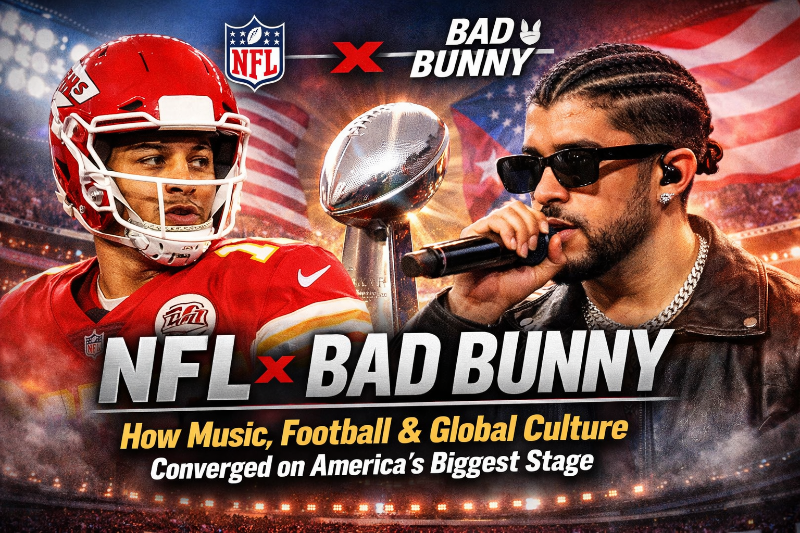
NFL x Bad Bunny: How Music, Football, and Global Culture Converged on America’s Biggest Stage
Mar
In recent years, the convergence of music, sports, and global cultural phenomena has become more visible and influential than ever before. Among the most striking examples is NFL x Bad Bunny: How Music and football melded during the Super Bowl, creating a defining moment of pop culture that transcended traditional boundaries. This convergence didn’t just showcase a musical act at a sporting event; it symbolized a shift in how global culture and entertainment are blending on the world’s most watched stage. This article aims to explore this phenomenon as a trend explainer and cultural analysis, unpacking its implications for the future of sports, music, and international influence.
The Super Bowl—long regarded as America’s biggest entertainment spectacle—has evolved into a cultural bonfire where music stars, fashion icons, and social movements ignite. But the debut and prominent appearance of Bad Bunny on this platform marks a new era, illustrating how Latin music and its rising stars are wielding influence across borders and audiences. The timing is crucial: with Latin America’s musical dominance bubbling into mainstream consciousness, the NFL’s strategic push to appeal to diverse demographics, and the global rise of streamer-driven fandoms, this moment encapsulates a broader cultural shift.
In this analysis, we’ll break down the meaning of the “NFL x Bad Bunny” trend, explore the contextual reasons it emerged now, examine fan reactions and aesthetic shifts, and discuss what it means for the future of entertainment and global sports culture. This isn’t just about a celebrity performance—it’s about how the worlds of music, sports, and cultural identity are increasingly interconnected, shaping perceptions, influence, and consumption on a monumental scale.
What Does “NFL x Bad Bunny” Actually Mean?
The phrase “NFL x Bad Bunny” captures a groundbreaking moment where a global Latin music superstar joins forces with an American football league that, while traditionally rooted in American culture, is now embracing a more expansive and inclusive entertainment identity. This convergence signals more than a fleeting performance; it underscores how cultural boundaries are dissolving, and how major institutions are now looking beyond their traditional audiences to engage with global, diverse fanbases.
In essence, a simple definition of the trend is: It’s the visibility of Bad Bunny — one of the world’s most influential Latin urban artists — on the NFL’s biggest stage, often during Super Bowl events, symbolizing a crossover where music stars actively participate in shaping Super Bowl culture. This includes not just performing at the halftime, but influencing branding, fashion, and fan interaction around the sport. Such collaborations are no longer peripheral but central to how the NFL constructs its contemporary, globally appealing identity.
This is bigger than a performance; it embodies a cultural crossover where Latin music and its aesthetic influence are integrated into mainstream American sports, representing a shift in NFL culture itself. It’s about tapping into a larger conversation on globalization and diverse cultural representation—a sign that America’s biggest stage is now a platform for blending multiple cultural narratives, making football not just a sport but an expression of worldwide identity and art.
Readmore: Why the Baltimore Ravens x Bad Bunny Super Bowl Collaboration Is Dominating Fan Fashion
Why This Moment Happened Now
The emergence of the NFL x Bad Bunny collaboration at this particular moment is no accident. It is rooted in complex macro-level trends driven by shifts in global media consumption, demographic changes, and evolving entertainment strategies. Understanding why now involves appreciating the broader societal and cultural movements that positioned Latin music and artists like Bad Bunny at the forefront of international pop culture.
The Global Rise of Bad Bunny and Latin Urban Music
In recent years, Bad Bunny has become a household name far beyond Puerto Rico and Latin America, largely due to his innovative blend of Latin trap, reggaeton, and experimental musical styles. Streaming platforms like Spotify, Apple Music, and YouTube have propelled Latin urban artists into the global spotlight, breaking records and erasing traditional genre boundaries. Bad Bunny’s influence extends into fashion, social activism, and even political discourse, showcasing how Latin artists now command international audiences.
Moreover, Latin trap and reggaeton have moved from niche genres to mainstream dominance, especially among Gen Z audiences worldwide. This wave is driven by authentic storytelling, cultural pride, and vibrant aesthetic expression that resonate with diverse communities. The influence of Latin music in the U.S. is no longer peripheral; it’s quantifiable in chart dominance, festival lineups, and collaborations with artists across genres. All of this sets the stage for the NFL’s strategic embrace of Latin icons like Bad Bunny, understanding that their appeal is vital to grow the league’s international reach.
The NFL’s Shift Toward Entertainment-First Spectacle
Historically, the NFL was primarily focused on the game itself, with halftime shows serving as supplementary entertainment. Today, the league recognizes the importance of entertainment as a core component of its brand identity, increasingly positioning itself as a cultural platform. The evolution of Super Bowl halftime shows from marching bands to global pop icons like Beyoncé, Shakira, Jennifer Lopez, and now Bad Bunny exemplifies this shift.
The NFL’s entertainment strategy now involves leveraging celebrity collaborations, social media engagement, and culturally relevant themes to attract broader audiences. This strategy aims to mirror global entertainment giants that seamlessly blend sports, music, and visual spectacle. Including Bad Bunny on this stage not only taps into his massive fanbase but also signals a deliberate effort to embrace cultural diversity and urban global aesthetics, appealing to younger and more diverse demographics.
Social Media Acceleration and Meme Culture
Social media platforms like TikTok, Instagram, and Twitter serve as rapid dissemination channels for sports and entertainment moments, amplifying crossover clips into instant viral sensations. When Bad Bunny appeared on the Super Bowl stage, snippets quickly spread, becoming meme material that engaged millions globally within hours. These micro-moments shape public perception and build anticipation for future collaborations, making the convergence of music and football a cultural conversation happening in real time.
In an era where viral moments can boost an artist’s or a league’s profile overnight, the NFL recognizes the strategic importance of digital virality. The ability to create shared experiences that transcend traditional boundaries has transformed the Super Bowl from a pure sporting event into a multi-dimensional cultural phenomenon. This reflects a larger trend of sports leagues partnering with pop stars as a means of staying relevant in a saturated media landscape.
Readmore: Bad Bunny Super Bowl Merch: Fan Apparel, Limited Drops & Style Guide
Fan Reaction and Social Proof: How Audiences Responded
The collaboration between NFL and Bad Bunny generated massive excitement, curiosity, and debate among various fan bases. Analyzing these reactions reveals much about how cultural trends are validated through audience engagement, especially across generational and geographic lines.
Traditional NFL Fans vs. New Global Viewers
While some traditional football fans appreciated the performance as an aesthetic and entertainment upgrade, others expressed ambivalence or skepticism about such crossover moments, fearing they might dilute the sport’s authenticity. However, many older fans recognize that the NFL’s evolution into a broader entertainment platform is a response to changing viewer habits and demographic shifts.
Meanwhile, the new wave of fans—particularly Latin American and Gen Z audiences—embraced Bad Bunny’s appearance as a sign of inclusivity and cultural representation. These audiences tend to engage intensely on social media with hashtags, memes, and commentary, reinforcing the influence of cross-cultural fandom. For them, seeing a figure like Bad Bunny on such a colossal stage affirms Latin music’s global power and validates their identity within mainstream entertainment.
Online Communities and Cross-Fandom Identity
Platforms like Reddit, Twitter, and TikTok foster communities where sports and music fans intersect, creating hybrid spaces for sharing content, memes, and discussions. These digital communities amplify crossover moments, generate memes, and produce a sense of collective participation. For example, fans shared videos comparing Bad Bunny’s performance with their favorite sports moments, creating a cultural narrative where music and football celebrate mutual influence.
This digital phenomenon exemplifies how the boundaries between fan identities are dissolving, leading to an era where fandom is fluid and multi-layered. The pop culture buzz surrounding NFL x Bad Bunny signals that these hybrid fan communities are shaping future engagement strategies for sports leagues and artists alike.
The Aesthetic Shift: Music Culture Influencing NFL Visual Identity
Music, especially from globally influential artists like Bad Bunny, isn’t just a background soundtrack—it’s becoming a visual and aesthetic force that shapes NFL branding, fan attire, and cultural symbols.
From Team Colors to Global Street Culture
Teams traditionally relied on specific colors and logos as their visual signatures. Today, many NFL franchises are adopting streetwear-inspired styles, often incorporating Latin or urban aesthetics influenced by artists like Bad Bunny. Jerseys, hats, and fan gear now feature bold graphics, graffiti-inspired fonts, and streetwear motifs that reflect contemporary youth culture.
This visual transformation signifies that NFL teams are increasingly viewed as cultural symbols beyond sport, representing urban identities, regional pride, and global fashion trends. When fans wear Latin-inspired designs or artist collaborations, they participate in a dialogue that extends NFL culture into street fashion and global youth culture. This aesthetic shift leverages influence from music, making the sport more visually vibrant and culturally relevant.
Celebrity Influence on Sports Style Narratives
Artists like Bad Bunny, who champion bold fashion choices and streetwear, influence not only fans but also athletes and team branding strategies. Their participation in league events helps legitimize music-inspired sports fashion as a core part of NFL culture. Some players now collaborate with fashion brands, adopting styles that echo urban aesthetics and Latin influences, further blurring traditional sport fashion boundaries.
This shift also reflects a broader trend: musicians and celebrities shape not just musical or entertainment landscapes but also redefine visual storytelling in sports. By embracing these aesthetics, the NFL positions itself as a cultural canvas where art, fashion, and sports collide in innovative ways, elevating its appeal to a broader, more diverse audience.
Beyond One Team: How This Trend Scales Across the League
While the Bad Bunny moment might seem singular, its implications resonate across the entire NFL landscape. This trend signals a broader cultural shift that affects teams, leagues, and even other sports, reflecting the increasing importance of pop culture collaborations in modern sports strategies.
Teams with Strong Cultural Identities
Certain NFL franchises inherently carry cultural or geographical identities that naturally lend themselves to such crossover efforts. Teams like the Miami Dolphins, Los Angeles Rams, or New York Jets—cities with vibrant Latin, urban, or multicultural populations—are likely to continue emphasizing music and streetwear collaborations to deepen local engagement and appeal to younger audiences. These teams serve as cultural ambassadors, blending local identity with global pop culture influences.
Other Leagues Following the Same Formula
The NBA has long embraced celebrity collaborations, and globally, soccer aligns with artists for major tournaments and club branding. The blurring of lines between sports and entertainment is not unique to football. Major sports leagues now recognize that cultivating cultural alliances with musicians, artists, and influencers is essential to remaining relevant in a crowded media environment. This approach facilitates global fan engagement and broadens the audience base far beyond traditional sports fans.
What This Means for the Future of Sports and Global Entertainment
The NFL’s integration of music stars like Bad Bunny exemplifies a future-oriented approach that highlights how sports are becoming integrated with global entertainment ecosystems. These shifts suggest a landscape where the boundaries between athlete, artist, and influencer will continue to dissolve, creating a new paradigm of entertainment-driven sports.
The Blurring Line Between Athlete, Artist, and Influencer
The rise of athlete influencers—players who cultivate personal brands across multiple platforms—foreshadows a future where sports figures are as much cultural icons as musicians or actors. Their social media presence, fashion choices, and collaborations with brands make them pivotal in shaping public narratives and cultural moments. Events like the Super Bowl help cement this role, turning athletes into cultural ambassadors who extend their influence beyond the field.
Why Cross-Cultural Moments Will Become the Norm
As global culture becomes more interconnected, moments like NFL x Bad Bunny are not anomalies but indicative of a structural trend. The NFL’s strategy to incorporate diverse cultural symbols reflects an understanding that international audiences increasingly influence domestic sports markets. The league’s global expansion efforts, coupled with artists’ worldwide reach, suggest that cultural convergence will become a standard feature of sports entertainment, shaping future narratives around inclusivity, representation, and innovation.
Readmore: Why the Baltimore Ravens x Bad Bunny Super Bowl Collab Is Taking Over Fan Fashion
Why NFL x Bad Bunny Signals a Cultural Turning Point
The collaboration between NFL and Bad Bunny exemplifies a profound cultural shift where sports, music, and international influence converge to create new dimensions of entertainment. It signals that mainstream sports leagues are embracing global cultural movements, integrating streetwear aesthetics, and leveraging cross-media collaborations to stay relevant. This moment underscores a future where music, football, and global culture are not separate silos but dynamic, interacting forces shaping how audiences engage with entertainment, identity, and community across borders. The NFL x Bad Bunny moment isn’t just about a performance; it’s a harbinger of how sports will evolve into ever more inclusive, culturally rich platforms that reflect the world’s diverse artistic voices and social dynamics.
The intersection of NFL x Bad Bunny: How Music, Football, and Global Culture Converged on America’s Biggest Stage exemplifies a pivotal turning point in pop culture, reflecting a broader transformation in entertainment, identity, and global influence. This convergence blooms from the rise of Latin music, the NFL’s strategic shift toward entertainment-first spectacles, and the power of social media to democratize viral moments. As diverse audiences engage, innovate, and redefine fandom, the future promises a more inclusive and culturally intertwined landscape—where sports become a gateway to global artistic voices, and artists like Bad Bunny continue to shape the cultural narrative long after their performances conclude. This moment isn’t just fleeting; it marks a new era where global culture and American sports continue their shared evolution, weaving a richer, more interconnected tapestry of entertainment for generations to come.
