
Blog
How William Osman Shirts Show Up at Events and Online
Feb
William Osman’s audience has a reputation for showing up “in the wild.” What starts as chaotic engineering videos on YouTube often spills into real life at maker events, robotics competitions, and engineering meetups, where fans recognize each other instantly through shared visual cues. The shirts associated with this community have become a shorthand for humor, curiosity, and hands-on problem solving—bridging the gap between online fandom and physical spaces.
Where Do You See William Osman Shirts?
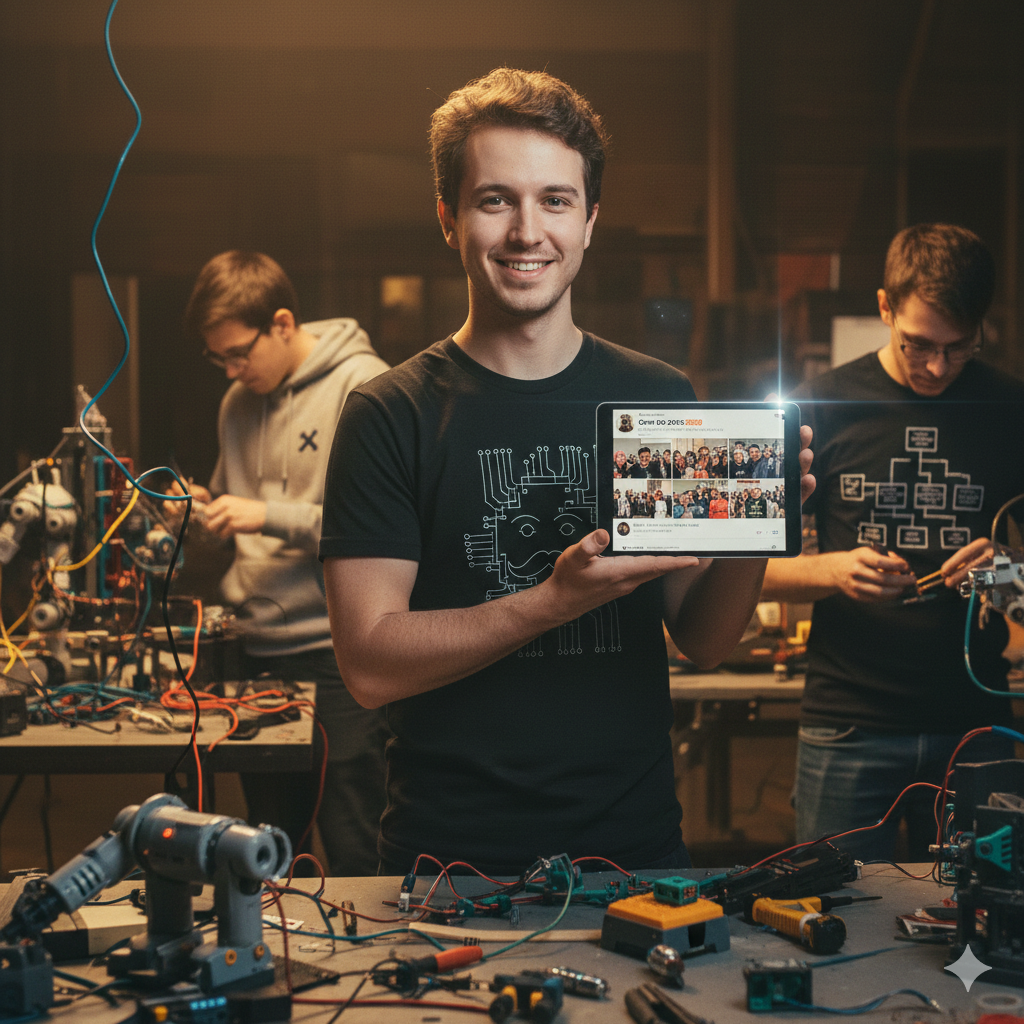
You’re most likely to spot William Osman fans in environments where engineering curiosity and playful experimentation are already the norm. These shirts frequently show up at Maker Faires, robotics competitions, university engineering events, and niche tech conventions where creator-driven communities overlap with hands-on projects. Because these gatherings attract people who already follow STEM creators, the apparel functions less as merch and more as a social identifier. That’s why searches around where to wear creator merch and engineering community events tend to peak around major maker weekends and academic competition seasons.
The Role of “Chaotic Engineering” Style at Maker Events
Within maker culture, there’s an unspoken dress code built around humor, references, and technical in-jokes. William Osman’s chaotic engineering aesthetic fits neatly into this space. Wearing the shirt signals that the person understands both the technical challenge and the absurdity that often comes with experimental builds. At events like Open Sauce, this visual language acts almost like a uniform. It helps attendees find “their people” in crowded halls, turning casual encounters into instant conversations grounded in shared videos, failed experiments, and memorable projects.
Standing Out at Robotics Competitions and Tech Meetups
In high-pressure environments like robotics competitions or professional tech meetups, students and engineers often look for ways to humanize the interaction. The recognizable humor of a William Osman shirt breaks tension and invites conversation. Teams and individuals use it as an icebreaker—something that says, “I take engineering seriously, but not myself.” This aligns with broader STEM student fashion trends where personality and technical identity are increasingly blended.
The Online Lifecycle: From Video Cameos to Viral Tweets
Online, the visibility cycle continues. Fans post photos of spotting the shirt in unexpected places: background cameos in other YouTubers’ videos, conference selfies, or Discord screenshots. These moments are shared in the William Osman subreddit and community servers as a form of collective spotting. This behavior turns the apparel into a participatory game. Recognition generates engagement, and engagement reinforces community bonds. For readers looking to understand how this fits into the broader creator ecosystem, the central William Osman Shirt hub provides context around the community’s visual language:
William Osman Shirt Styles for Fans and Everyday Wear.
Why Visual Recognition Matters to the “Osman” Community
The appeal of these designs lies in their IYKYK nature. There’s often no need for a large logo or explicit reference. The visual cues are subtle enough that only people familiar with the content fully “get it.” This kind of niche recognition is powerful. It creates belonging without explanation and allows fans to express alignment with a creator’s mindset—curiosity, experimentation, and humor—rather than just fandom. This is why IYKYK fashion trends continue to grow within creator-led communities.
Future Community Trends: Beyond the Standard Graphic Tee
Looking ahead, engineering-focused creator communities are moving toward even more abstract expressions. Inside jokes, minimalist references, and concept-driven visuals are replacing obvious graphics as fans seek deeper signals of shared knowledge. As maker culture evolves, William Osman’s community reflects a broader shift in creator apparel—less about promotion, more about participation. This trajectory suggests that visual storytelling and subtle signaling will continue to define how engineering fandom shows up, both offline and online.
